Stella Lefty's Rapid Ascent and Controversies: An In-Depth Look
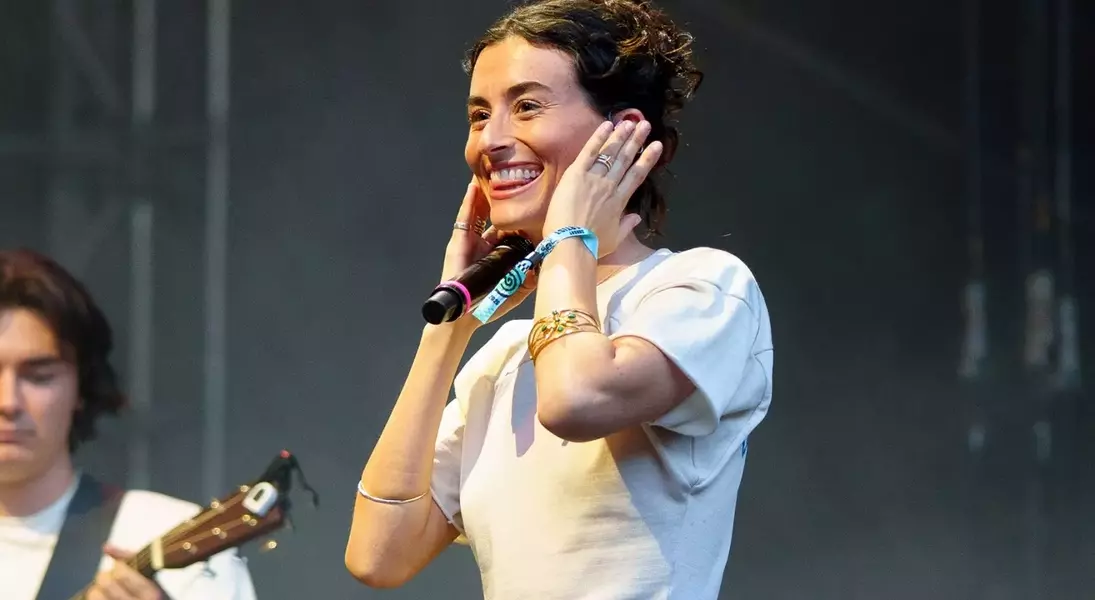
Stella Lefty, a burgeoning figure in the country-pop scene, has experienced a swift and dramatic rise to prominence, fueled by her chart-topping single "Boston." However, her journey to stardom has been anything but smooth, marked by a series of controversies that have ignited fierce debate across social media and the music industry. From questions surrounding the authenticity of her rapid success, including accusations of being an "industry plant" and a "nepo baby" due to her affluent background, to more serious allegations of plagiarism and the uncredited use of musical elements from other artists, Lefty's career has been under an intense spotlight. This scrutiny highlights the challenges faced by emerging artists in the digital age, where every aspect of their craft and personal history is subject to immediate and often unforgiving public examination. The ongoing discussions surrounding her work underscore broader conversations within the music world about originality, artistic integrity, and the influence of privilege.
Lefty's music, particularly her hit "Boston," has drawn significant attention for its perceived similarities to existing works, leading to formal acknowledgments of interpolation and subsequent accusations of artistic borrowing. These incidents have fueled a narrative of controversy, with online communities actively scrutinizing her catalog for further instances of uncredited musical appropriations. Despite these challenges, Lefty has maintained a public stance of focusing on her craft and connecting with her fanbase, navigating the complexities of newfound fame amidst a barrage of critical commentary. Her story reflects a modern music landscape where viral success can quickly lead to widespread discussion, demanding artists to address criticisms while continuing to evolve their artistic identity.
The Emergence of Stella Lefty: From Viral Sensation to Public Scrutiny
Stella Lefty, a 24-year-old singer-songwriter, has recently rocketed into the public consciousness, largely propelled by her viral hit single, "Boston." This track has made a significant ascent on the Billboard Hot 100, securing a spot near the top. Her initial rise was further amplified by her presence on TikTok, where her covers of popular songs garnered millions of views and a dedicated following. This digital success translated into sold-out tours and tens of millions of weekly streams, firmly positioning her as a formidable new talent in the country-pop genre. However, her rapid ascent has not been without its challenges. The internet, a platform known for its swift and often critical judgments, quickly turned its focus to Lefty's background and the perceived speed of her success. Initial criticisms centered on her affluent family, particularly her billionaire father, Eric Lefkofsky, leading to accusations of being an "industry plant" or a "nepo baby." These claims suggested that her wealth might have unduly influenced her career trajectory, providing an unfair advantage in the highly competitive music industry.
As "Boston" continued to climb the charts, the conversation surrounding Lefty evolved from her origins to the originality of her music. She began facing accusations of heavily borrowing from other popular songs without adequate attribution. This shift brought a new wave of scrutiny, with online communities meticulously dissecting her tracks for any uncredited similarities. The intensity of this public examination highlights the unique pressures faced by contemporary artists, where viral fame can quickly transform into widespread critique. Lefty's journey from an online sensation to a mainstream artist has thus become a case study in navigating the complexities of modern stardom, where talent, background, and perceived authenticity are all subject to intense public debate and analysis.
Navigating Allegations: Authenticity, Interpolation, and Plagiarism in Lefty's Music
The controversy surrounding Stella Lefty deepened as accusations of musical appropriation began to overshadow her burgeoning career. Her breakout hit, "Boston," quickly drew comparisons to Noah Kahan's "Stick Season," leading to fans and critics alike noting significant melodic and structural similarities. Initially, "Boston" was credited as an interpolation of Kahan's song, a move that acknowledged the influence but did little to quell the online debate. Lefty herself addressed the situation in interviews, stating that she wasn't consciously thinking of Kahan's song while writing "Boston." She also revealed that Kahan's team had reached out prior to the song's official release, prompting the decision to credit "Stick Season" to avoid any disputes. This transparency, however, was met with mixed reactions, as some online observers pointed to Lefty's past TikTok videos, which frequently featured her covering "Stick Season," suggesting a deeper familiarity with the song than she publicly acknowledged.
The scrutiny intensified with the release of Lefty's debut album, "Long Way Home," when listeners identified similarities between her track "Summer You Were Mine" and The Chicks' 1998 hit "There's Your Trouble." This instance initially lacked proper credit, further fueling allegations of plagiarism and earning Lefty the moniker "Stella Thefty" from her detractors. Although her team at Atlantic Records retroactively credited the songwriters of "There's Your Trouble," citing a streaming platform error, the incident significantly damaged her credibility. These events were followed by additional claims of uncredited similarities in other songs, such as "Why Wouldn't We" and "Seven Eleven," which were compared to Blake Shelton's "I'll Name the Dogs" and Wheatus' "Teenage Dirtbag," respectively. The recurring nature of these accusations has placed Lefty's artistic integrity under considerable pressure, forcing her to navigate a landscape where every note and lyric is meticulously examined for originality and proper attribution.