European TAVR Guidelines Boost Major Medtech Companies
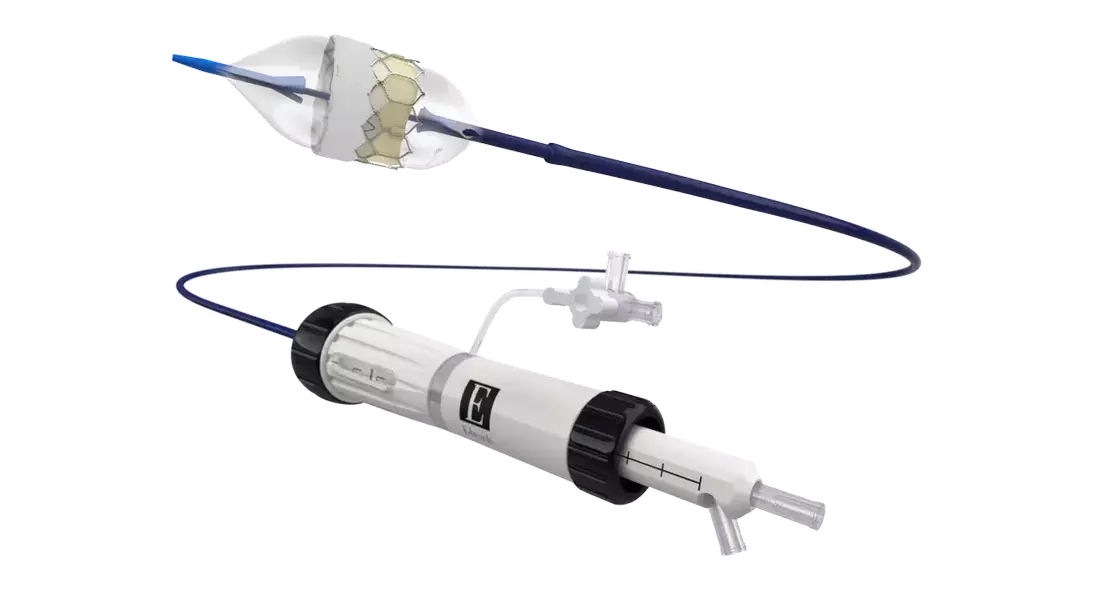
A recent pivotal update in European medical guidelines for Transcatheter Aortic Valve Replacement (TAVR) is poised to create substantial opportunities for prominent medical technology firms such as Edwards Lifesciences, Medtronic, and Abbott. This strategic revision, driven by leading European cardiology and cardio-thoracic surgery societies, is anticipated to not only expand the patient population eligible for TAVR but also to streamline treatment protocols, marking a significant advancement in cardiac care across the continent.
Revised European TAVR Guidelines: A New Era for Cardiac Care
In a landmark announcement on September 3, 2025, influential European medical societies, including the European Society of Cardiology and the European Association for Cardio-Thoracic Surgery, unveiled updated guidelines for Transcatheter Aortic Valve Replacement (TAVR). These revisions signify a notable shift in the therapeutic landscape for valvular heart disease, particularly impacting three major players in the medical device industry: Edwards Lifesciences, Medtronic, and Abbott.
The cornerstone of the new directives is the reduction of the recommended age for TAVR from 75 to 70 years. This adjustment, articulated in the updated guidelines, is based on the latest clinical evidence, endorsing TAVR as the preferred initial treatment for individuals aged 70 and above. The societies emphasized that this change aims to mitigate early adverse outcomes and accelerate patient recovery, reflecting a growing confidence in the procedure's efficacy and safety for a broader age range.
Additionally, the revised guidelines feature a strengthened recommendation for TAVR in asymptomatic patients. Previously, intervention in such cases was merely considered; now, the language suggests it 'should be considered,' indicating a more proactive stance. This particular emphasis is expected to provide a significant competitive edge to Edwards Lifesciences, as their TAVR system is currently the only one with specific regulatory approval for asymptomatic indications. Analysts from William Blair highlighted this as a crucial 'tailwind' for Edwards, suggesting that the rare off-label use in this domain makes the new guideline a notable competitive victory.
Further enhancing the market for these companies, the guidelines also provide more robust recommendations for transcatheter edge-to-edge repair (TEER) therapy. The updated advice suggests that TEER 'should be considered' for patients experiencing functional mitral regurgitation and severe functional tricuspid regurgitation. This shift from previous 'may be considered' or 'recommended' advisories signals an increased endorsement for TEER, benefiting both Abbott and Edwards with their respective TEER devices in the European market.
Industry leaders have swiftly reacted to these developments. Bernard Zovighian, CEO of Edwards Lifesciences, expressed his enthusiasm on Friday, stating that the new guidelines represent 'important advancements for structural heart disease patients.' Similarly, Dan Lippis, Edwards' head for Japan, Greater China, and Asia Pacific, had earlier commented in July on the company's second-quarter earnings call that the asymptomatic opportunity in Europe was what they were 'most optimistic about,' viewing it as a potential 'game changer for the longer term.' This collective sentiment underscores the profound impact these revised guidelines are expected to have on market dynamics and patient care in Europe.
Pioneering Cardiac Care: A Transformative Leap Forward
From a journalist's perspective, these updated European TAVR guidelines signify more than just a regulatory change; they represent a profound evolution in cardiac medicine, driven by relentless innovation and a deeper understanding of patient needs. The lowered age threshold and strengthened recommendations for asymptomatic patients reflect a bold step towards preventative and early intervention strategies, promising to revolutionize the treatment of aortic valve disease. This move is a testament to the ongoing advancements in medical technology and the dedication of the medical community to improving quality of life. For patients, it offers hope for less invasive, more effective treatments, potentially leading to faster recovery and reduced long-term complications. For the medical technology sector, it's a clear signal of expanding markets and an impetus for further research and development, particularly in areas like asymptomatic treatment. This convergence of clinical progress and technological innovation is truly inspiring, highlighting how targeted policy changes can propel healthcare forward, benefitting both individuals and the industry at large.