Key CDC Panel to Meet on Vaccine Guidelines Amidst Leadership Changes
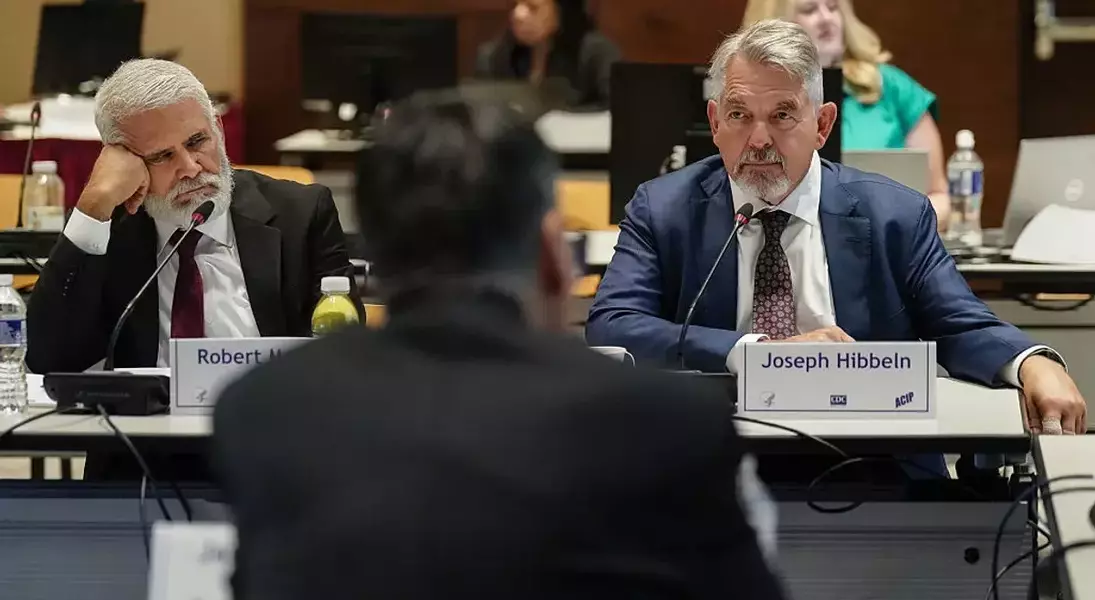
This week, a crucial federal vaccine advisory group is set to gather for its second session since its significant restructuring by Health and Human Services Secretary Robert F. Kennedy Jr. Traditionally, these meetings are routine updates to immunization schedules and recommendations. However, the upcoming discussions on Thursday and Friday are anticipated to profoundly influence U.S. vaccination policies, particularly amidst an ongoing leadership challenge at the Centers for Disease Control and Prevention (CDC) and growing apprehension among medical practitioners that Kennedy's directives could severely limit vaccine availability.
The meeting's agenda highlights discussions on vaccines for hepatitis B, COVID, and the measles, mumps, rubella, and varicella (MMRV) combination. Key topics include examining potential seizure risks associated with the MMRV shot and reviewing the administration of the hepatitis B vaccine at birth. A significant portion of Friday is dedicated to COVID-19 vaccinations, an area that has become a contentious point in Kennedy's efforts to reform current vaccine strategies. The panel is expected to deliberate on recommendations for these immunizations, with a backdrop of varying opinions on vaccine efficacy and safety, including reports suggesting a link between COVID vaccination and pediatric deaths, a claim that vaccine manufacturers Moderna and Pfizer have refuted, reaffirming the safety of their products.
The outcomes of the ACIP's deliberations hold substantial weight, as changes to vaccine recommendations directly impact eligibility for vaccination and insurance coverage. Historically, public and private insurers are mandated to cover ACIP-recommended vaccines. Should the committee narrow existing recommendations, insurers might discontinue coverage, irrespective of advice from other medical bodies. This could lead to reduced access to essential immunizations, potentially affecting programs like Vaccines for Children, which provides free vaccines to low-income families. The situation is further complicated by the absence of a confirmed CDC director, leaving interim director Jim O'Neill to potentially endorse the guidelines. Moreover, Kennedy's stance has empowered states like Florida to consider removing vaccine mandates, sparking a political and public health debate across the nation regarding vaccine autonomy versus public health requirements.
In these challenging times, it is vital to uphold scientific integrity and public health principles. While open discourse and critical evaluation are essential in medical policy-making, decisions must be grounded in robust scientific evidence and aim to protect the well-being of all citizens. Upholding trust in public health institutions and ensuring equitable access to proven preventative measures, such as vaccines, are paramount for a resilient and healthy society.