mRNA Cancer Vaccine Offers Renewed Hope to Melanoma Patient
A recent clinical trial for an mRNA cancer vaccine, jointly developed by pharmaceutical giants Merck and Moderna, has presented encouraging outcomes for melanoma patients. The therapy, known as intismeran autogene, when administered in conjunction with immunotherapy, signifies a potentially groundbreaking approach in oncology. This innovative treatment offers not just medical advancements but also a renewed sense of optimism for individuals battling this aggressive form of skin cancer, as highlighted by a patient's personal account.
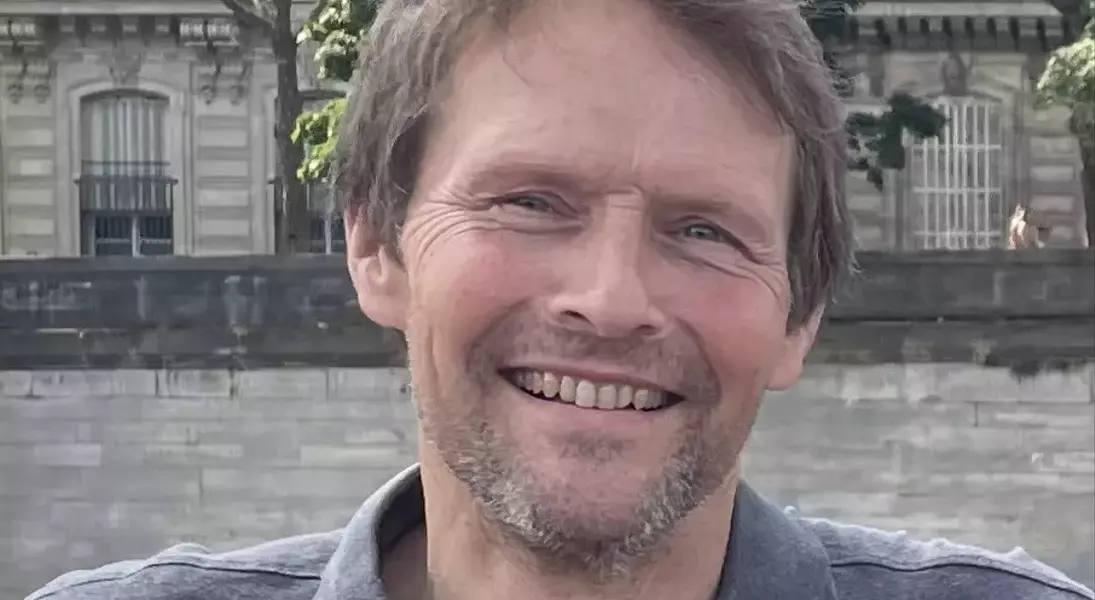
Gary Keblish, a dedicated educator, openly discussed his participation in the clinical trial for intismeran autogene during the STAT Summit in Boston. Diagnosed with high-risk melanoma in 2019, Keblish recounted a tumultuous period marked by emotional and physical challenges. His narrative underscored the profound impact of the disease and the subsequent journey through treatment, which he metaphorically likened to an adventure aboard "The Magic School Bus" due to its unpredictable nature and transformative effects. His initial hesitancy regarding the experimental treatment soon gave way to profound relief and excitement upon being selected for the trial, which combined Keytruda, an immunotherapy drug, with the novel mRNA vaccine.
Keblish's path to recovery was not without its trials. He candidly shared the psychological and physiological toll of neuropathy, a side effect that significantly affected his daily life and overall disposition. However, with the unwavering support of his medical team at the Perlmutter Cancer Center at NYU Langone, particularly Dr. Jeffrey Weber, and his family, he was able to navigate these difficulties. Their guidance and encouragement played a crucial role in maintaining his focus and resolve, illustrating the importance of a strong support system in overcoming severe health crises. This collective effort enabled him to push through the adverse effects and eventually regain his quality of life.
Now, six years following the surgical removal of his tumor, Keblish has not only returned to his teaching profession but is also thriving. His story stands as a testament to the potential of cutting-edge medical research and the resilience of the human spirit. The successful outcome of his treatment has filled him with immense gratitude and enthusiasm, reinforcing the message that with continued dedication to scientific innovation, the fight against cancer can lead to positive and life-affirming results for many others.